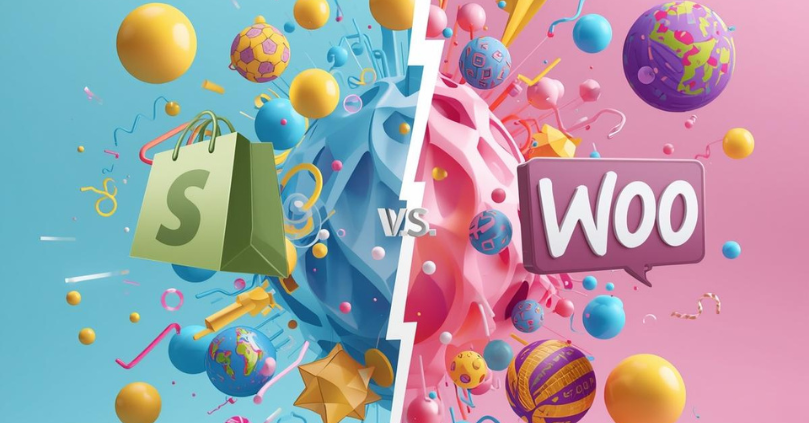
Choosing the right e-commerce platform is one of the most critical decisions for any online business, and as 2026 approaches, Shopify and WordPress (with WooCommerce) continue to dominate the landscape. Both platforms have loyal followings and offer powerful features, but they cater to different needs, skill levels, and business models. Understanding the differences can save you time, money, and headaches as you build and grow your online store.
In this guide, we’ll explore the nuances of Shopify and WordPress, comparing them across usability, flexibility, SEO capabilities, costs, and scalability. By the end, you’ll have a clear picture of which platform aligns best with your business goals.
Why Choosing the Right E-Commerce Platform Matters

Your e-commerce platform is more than a website builder—it’s the foundation of your online business. A poor platform choice can lead to slow site performance, high maintenance costs, limited functionality, and restricted growth.
When evaluating Shopify vs WordPress, you need to consider factors like scalability, SEO performance, design flexibility, ease of use, and overall cost. The right platform not only powers your store but also supports marketing campaigns, product management, and a seamless customer experience, which are essential for online sales and long-term success.
Shopify: Simplicity and Speed for E-Commerce Beginners
Shopify is a fully-hosted e-commerce platform designed for entrepreneurs who want simplicity and speed. It handles hosting, security, updates, and performance optimization, allowing you to focus on selling products rather than managing technical details.
Shopify’s interface is intuitive, with drag-and-drop store building, pre-designed themes, and mobile-friendly layouts. It integrates with over 100 payment gateways and offers multi-channel selling across social media platforms and marketplaces. Shopify’s extensive app marketplace allows you to enhance your store with marketing tools, analytics, and inventory management systems.
For entrepreneurs launching small to medium-sized online stores in Malaysia or globally, Shopify offers reliability, fast setup, and minimal maintenance. Its 24/7 customer support ensures help is always available if technical issues arise.
However, Shopify’s simplicity comes with limitations. Customization beyond themes and apps is restricted, and monthly subscription fees start at $39. Some advanced features require paid apps, and transaction fees apply if you don’t use Shopify Payments. Despite these factors, Shopify remains ideal for those seeking convenience and a streamlined setup.
WordPress with WooCommerce: Flexibility and Control for Ambitious Stores
WordPress, when paired with WooCommerce, offers a different approach. Unlike Shopify, WordPress is open-source and self-hosted, giving you complete control over your online store. You can choose your hosting provider, design unique layouts, and customize functionality down to the smallest detail. This flexibility makes it ideal for businesses that need more than a standard e-commerce setup.
WooCommerce integrates seamlessly with WordPress, allowing you to manage products, inventory, and payments while leveraging WordPress’s renowned content management system. One of the biggest advantages of this setup is its SEO potential. With plugins like Yoast SEO, you can optimize product pages, blog posts, and category pages to drive organic traffic. WordPress also scales easily, supporting large product catalogs and high traffic volumes, provided your hosting is robust.
The trade-off is that WordPress requires more technical know-how. Hosting, updates, and security are your responsibility, and building a fully functional store often takes longer than with Shopify. Additionally, you may need multiple plugins to achieve certain functionalities, which can introduce compatibility issues if not managed carefully. Despite these challenges, WordPress remains the platform of choice for businesses seeking full creative freedom, advanced SEO control, and unlimited growth potential.
Shopify vs WordPress: Side-by-Side Comparison
| Feature | Shopify | WordPress + WooCommerce |
|---|---|---|
| Ease of Use | Beginner-friendly, drag-and-drop, fully managed | Moderate learning curve, requires setup and technical knowledge |
| Customization | Theme-based, limited coding options | Full design and coding flexibility |
| SEO & Marketing | Built-in SEO tools, slightly limited | Advanced SEO with plugins like Yoast, ideal for content marketing |
| Setup Speed | Quick setup, ready to launch in hours | Slower setup, depends on hosting and configuration |
| Maintenance | Fully managed (updates, security) | Self-managed (updates, hosting, security) |
| Cost | $39–$399/month + apps, transaction fees | Hosting + plugins + optional developer costs, flexible pricing |
| Best For | Small to medium stores, dropshipping, boutiques | Large stores, brands needing full control, SEO-heavy strategies |
| Scalability | Good for SMBs, enterprise plans available | Unlimited scalability if hosted and optimized properly |
While Shopify offers simplicity, speed, and minimal maintenance, WordPress provides full creative control, advanced SEO options, and limitless scalability. Your choice depends on your technical comfort, business size, growth plans, and long-term goals.
Key Considerations Before Choosing
Before deciding, consider these factors:
- Budget: Shopify has predictable costs, WordPress can be cheaper initially but may require developer support.
- Technical Skills: Shopify is beginner-friendly, WordPress needs more technical knowledge.
- Design Freedom: WordPress wins if you want unique designs and functionality.
- Maintenance: Shopify handles updates and security; WordPress requires hands-on management.
- Growth Potential: Both can scale, but WordPress is more flexible for complex needs.
Frequently Asked Questions (FAQ / PAA Section)
What is the best platform for small businesses in 2026?
Shopify is generally better for small businesses that want a fast, easy-to-manage store. WordPress is more suitable for those who want complete control and don’t mind handling hosting and updates.
Which platform offers better SEO capabilities?
WordPress is the leader in SEO due to plugins like Yoast SEO, offering advanced control over meta tags, site structure, and content optimization. Shopify has built-in SEO tools but is less flexible.
How much does Shopify cost compared to WordPress?
Shopify starts at $39 per month, while WordPress costs vary depending on hosting, themes, and plugins. WordPress can be cheaper initially but may require developer costs for complex stores.
Can WordPress handle large e-commerce stores?
Yes, WooCommerce can support large catalogs and high traffic if hosted on a reliable server. Performance depends on your hosting and site optimization.
Choosing the Right Platform in 2026
Deciding between Shopify and WordPress ultimately comes down to balancing convenience and control. Shopify offers a streamlined, fully-managed solution ideal for entrepreneurs who want to focus on sales and marketing rather than technical maintenance. WordPress paired with WooCommerce, on the other hand, provides unmatched flexibility, advanced SEO capabilities, and full control over design and functionality—perfect for businesses planning to scale or implement highly customized solutions.
Regardless of the platform you choose, the success of your online store depends not just on the tools but also on how effectively your website is designed and optimized for user experience. This is where Cloudix Digital can make a difference. Their e-commerce web development services focus on creating user-friendly websites with intuitive purchasing flows, ensuring your customers enjoy a seamless shopping experience while boosting your sales and conversions. By leveraging professional design, optimized checkout processes, and mobile-responsive layouts, Cloudix Digital helps businesses maximize the potential of both Shopify and WordPress platforms.
With the right platform and the right development partner, your online store can achieve not only functional excellence but also higher engagement, increased sales, and long-term growth.